Private Cabin Coworking Chennai: When Your Team Outgrows Open Spaces
There’s a threshold every growing business reaches. Your shared desk space was perfect at the beginning. You were agile, costs were minimal, and the energy of collaborative spaces kept you motivated. But now your team has grown. Your work involves confidential information. You need consistent personal workspace without the distraction of open environments. You’re ready for a private cabin.
A private cabin in a coworking environment represents an important transition. You’re not graduating to a full private office lease with all its attendant commitments and costs. You’re maintaining the flexibility, community, and cost-efficiency of coworking while gaining the focused work environment and team autonomy that growing businesses require.
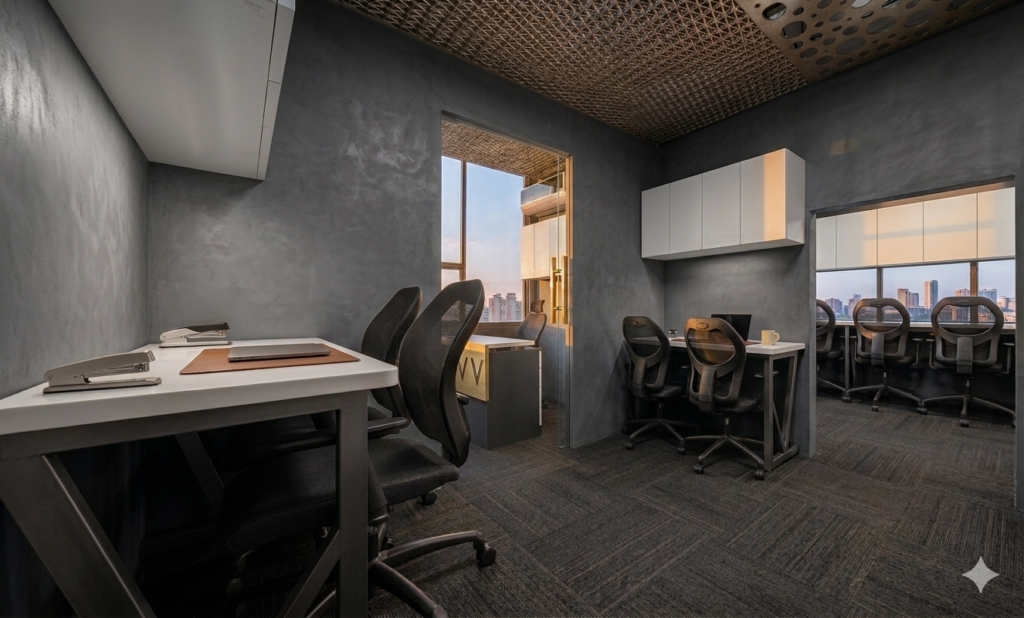
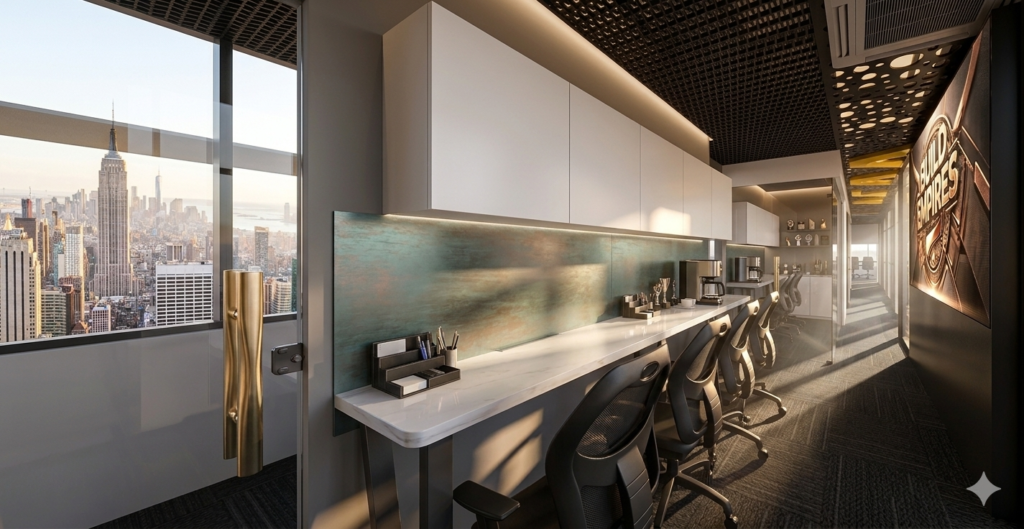
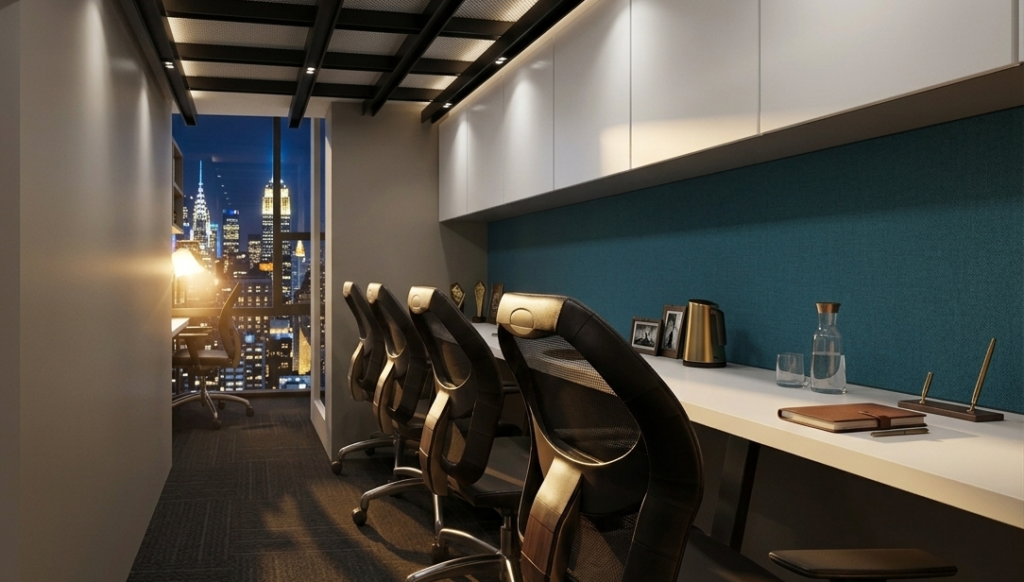
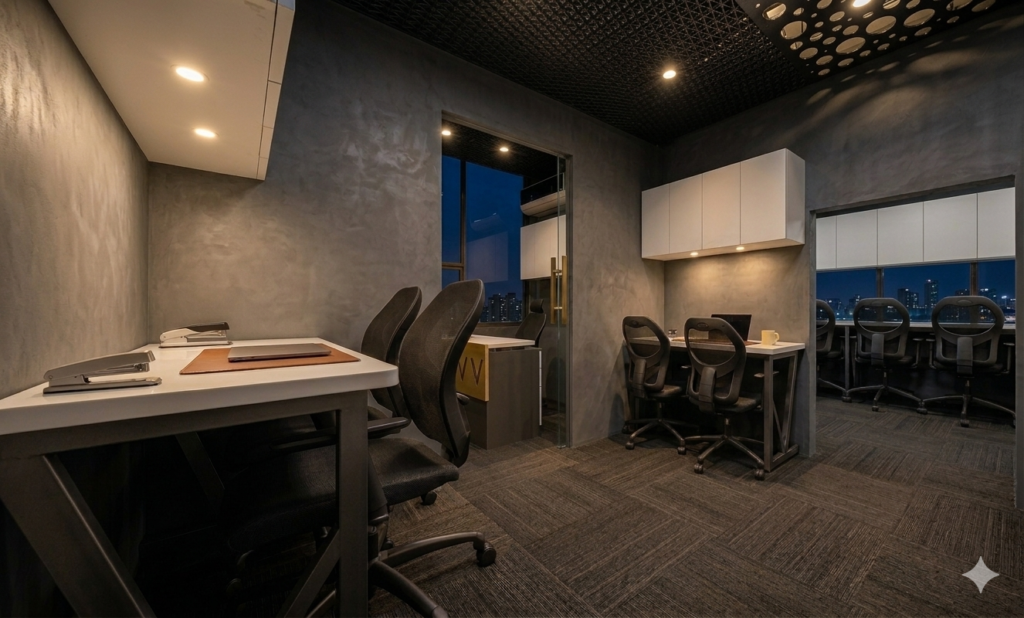
Private cabins at VLuv Business Hub are designed for teams that have achieved meaningful growth but still value flexibility. When your team reaches 4-6 people, or when your work nature demands confidentiality and focused concentration, a private cabin becomes not just comfortable but necessary.
The Psychology of Focus and Team Dynamics
There’s scientific evidence backing what professionals instinctively understand: focused work environments improve productivity and reduce errors. When your team works in open shared
spaces, there’s a constant cognitive load from environmental monitoring. Your brain is processing ambient conversations, noticing movement, managing interruptions. This cognitive load reduces mental resources available for actual work.
This becomes particularly acute in knowledge-intensive fields. Software developers, architects, financial analysts, content creators, and consultants all work in deep focus states. These states require uninterrupted concentration for extended periods. Open environments, no matter how professionally designed, work against this requirement.
Private cabins provide the focused environment without requiring massive real estate commitments. Your team works together in concentrated space, eliminating the distraction of unrelated professionals nearby. Confidential discussions happen without concern about competitors or unrelated parties overhearing.
Additionally, team dynamics shift in private spaces. When your team has their own enclosed area, a sense of identity and ownership develops. Team members invest more in maintaining their space. Onboarding new team members happens in dedicated team areas rather than generalized open spaces. This environmental investment supports stronger team cohesion,
What Makes Shared Offices Different From Home and Coffee Shops
Let’s be honest: working from home and coffee shops have their place. Home offices save you the commute and give you flexibility. Coffee shops offer ambiance and occasional human interaction. But neither provides what a professional shared office space delivers.
Home offices lack structure. There’s no clear boundary between personal and professional space. Your family members might interrupt. Your video calls happen against a bookshelf you cleaned hastily. Your internet connection is only as reliable as your home WiFi.
Coffee shops are temporary solutions. The music and ambient noise make concentration difficult for complex work. You can’t conduct confidential client calls. There’s no guarantee of consistent desk availability. The ambiance that attracts you also attracts hundreds of others competing for the same outlet.
A shared office space at VLuv Business Hub gives you the best of both worlds. It provides structure without the isolation. You get a professional address, dedicated workspace, and a community of peers—without the overhead of a full private office lease.
The Anna Nagar Advantage
Anna Nagar isn’t randomly successful. The location offers several strategic advantages that have made it a preferred workspace destination in Chennai.
First, connectivity. Anna Nagar sits at the intersection of multiple commercial corridors. Professionals from Arumbakkam, Kilpauk, Mogappair, and even Shenoy Nagar find VLuv Business Hub easily accessible. The Metro connectivity from nearby stations means your clients, partners, and team members can reach you conveniently, regardless of traffic conditions.
Second, the ecosystem. Anna Nagar hosts a diverse business community. You’ll find IT professionals, healthcare consultants, legal practitioners, and chartered accountants working within proximity. This diversity creates natural networking opportunities. A consultant might need IT support for their business. A legal firm might refer work to accountants and architects. These organic business connections happen naturally in shared spaces.
Third, cost-effectiveness. Traditional office rentals in Anna Nagar require substantial upfront investments and long-term commitments. Shared office spaces eliminate both obstacles. You pay for what you use, without the burden of signing three-year leases.
Understanding Private Cabin Configurations
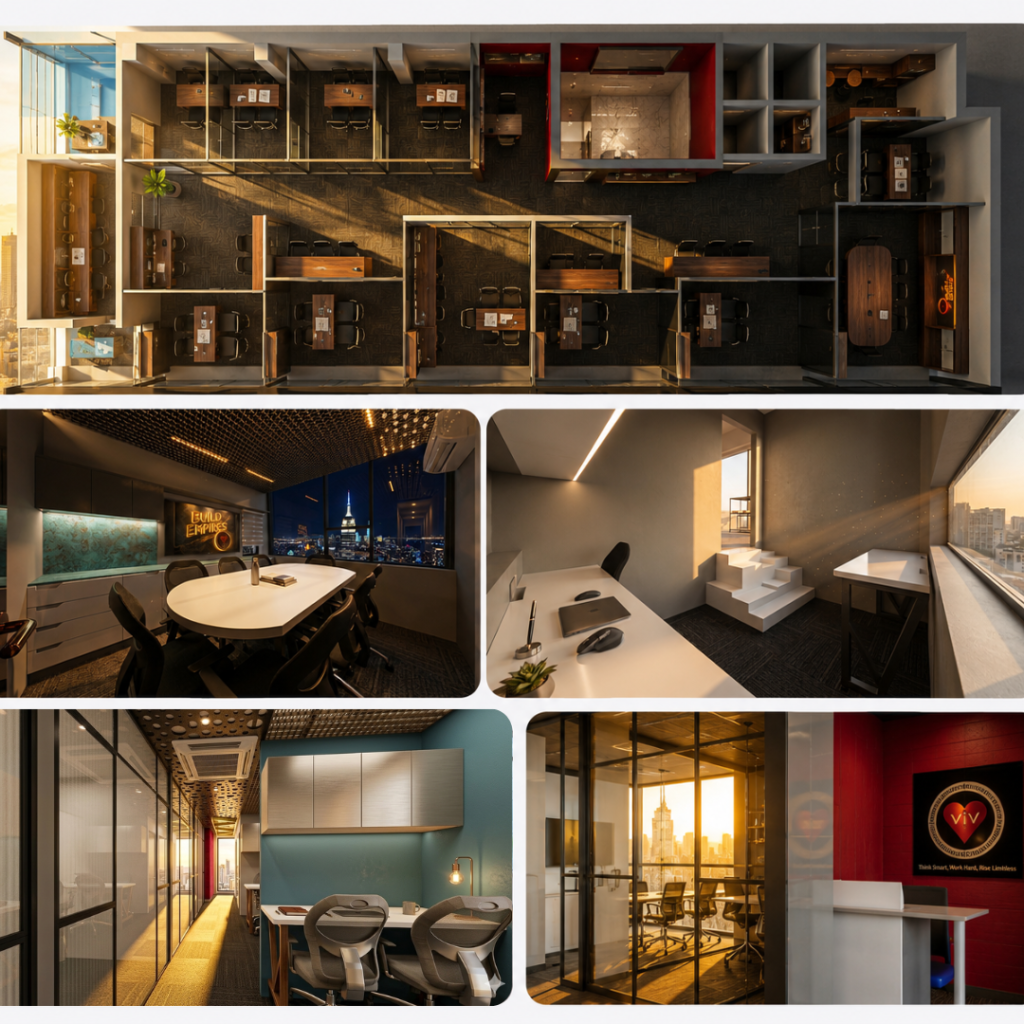
Private cabins in coworking environments come in various configurations, and selecting the right size matters more than many professionals realize.
The key is that each configuration maintains the coworking flexibility. You’re not locked into three-year leases. As your team grows beyond your cabin size, you have options. Some teams upgrade to larger cabins. Others graduate to private office leases. Some discover that a hybrid arrangement—private cabin plus occasional use of shared desks for expanding contractors or visiting team members—works perfectly for their business model.
Two-Person Cabins
Perfect for partnerships, senior professional pairs, or very small teams at crucial growth stages. These spaces maintain extreme affordability while providing complete privacy and focus. A startup co-founder pair or a consultant with an assistant works excellently in this configuration.
Four-Person Cabins
The most common configuration, designed for teams that have achieved initial traction. This is where many startups live after their founding team period but before major growth. Small professional services firms—two chartered accountants with support staff, for example—operate efficiently in this space.
Six-to-Eight Person Cabins
For established small businesses and growing departments, these larger cabins still maintain the flexibility benefits of coworking while providing space for real operations. A digital agency team, a tech startup that's beyond MVP stage, or an in-city satellite office for a larger company fits naturally.
What Elevates a Private Cabin From Cramped to Brilliant
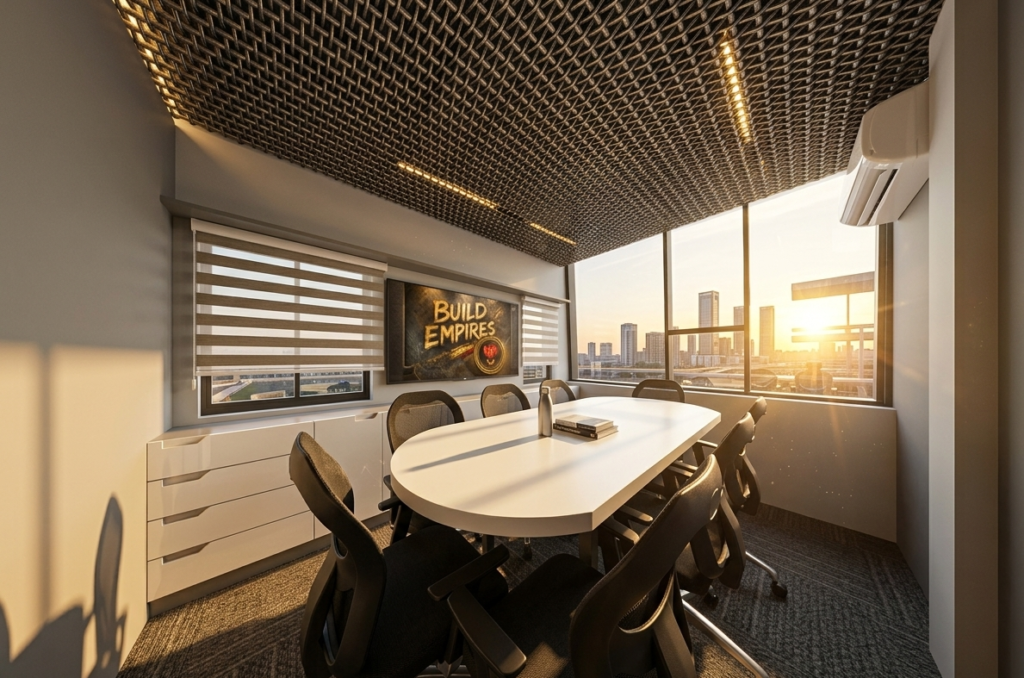
There’s a significant difference between a private cabin that feels like a compressed box and one that feels like your professional home. This difference comes from thoughtful design details.
Ceiling height matters more than many realize. Low ceilings create psychological pressure and reduce the quality of air. Proper cabin height prevents the sense of confinement that plagues poorly designed spaces.
Natural light transforms workspaces. Cabins with windows, even small ones, dramatically improve mood and reduce fatigue compared to internally-lit enclosed spaces. The research on natural light’s impact on productivity is unambiguous.
Acoustic treatment is non-negotiable. A cabin that allows sound to travel freely or echo is not actually private. Proper sound-dampening materials in the walls and ceiling ensure that conversations remain confidential and minimize external distractions.
Flexible furniture and modular configurations allow you to arrange your cabin around your team’s workflow. Not every team needs the same layout. Architects might want large work surfaces. Software developers might want dual monitor setups at each desk. A flexible interior supports these different needs.
Climate control that actually works prevents the cabin from becoming either a sauna or a freezer. Individual temperature management in your space prevents the endless thermostat negotiations that plague large open offices.
Financial Realities of Cabin Economics
Let’s address the fundamental question: when does it make economic sense to move from a shared desk to a private cabin?
A shared desk costs X per month. A four-person cabin costs roughly 2.5X to 3X per month. At face value, this seems like a big jump. But consider what you’re actually spending:
When your team of four shares a shared desk arrangement, you’re paying 4X for hotdesking rights that come with no guaranteed space consistency. Your team can’t leave materials at their desks overnight. Someone has to arrive early to claim good seating positions. Confidential work happens in rented meeting rooms, adding additional costs. You’re not actually saving money; you’re spending more across the full picture.
With a private cabin, four team members occupy consistent, confidential space. You eliminate meeting room rental costs for internal discussions. You’re not paying for premium meeting rooms when you just need a team discussion. Your team productivity likely increases because people aren’t fighting for space or waiting for meeting rooms.
For many teams, the true cost of private cabin space is actually lower than maintaining shared workspace arrangements, once you factor in meeting room costs, lost productivity time, and the value of consistent personal space.
Security, Confidentiality, and Compliance Considerations
Addressing Common Concerns About Shared Spaces
Privacy
Will my conversations be overheard? VLuv Business Hub uses sound-dampening materials in dedicated desks and meeting rooms. Confidential calls happen in closed spaces, not open floors. If you need absolute acoustic isolation, meeting rooms are booked specifically for this purpose.
Professionalism
Will clients respect a shared office address? Absolutely. Your business address in Anna Nagar carries weight. Your meeting room is professionally decorated and equipped. Your reception area makes a positive impression. The shared aspect is invisible to your clients—they see only the professional environment you're providing.
Interruptions
Won't I be constantly distracted? Shared offices work because they provide dedicated personal workspace. You're not sitting next to dozens of people. You have your own desk, your own monitor setup, and your own way of managing interruptions. The openness you see is balanced with focused work zones.
Commitment
What if my business needs change? Shared office arrangements typically operate on monthly or quarterly terms. Unlike traditional leases, you're not locked in for three years. If your circumstances change, you adjust your arrangement or transition to a different workspace type.
Team Onboarding and Company Culture in Private Cabins
A common misconception is that private cabins create isolation and damage company culture. The opposite is actually true when cabins are thoughtfully integrated into a coworking community.
Your team has its own dedicated space—your cabin—where focused work happens. But you’re still part of a larger professional community. Breakout areas, common spaces, and regular community events maintain the networking and social interaction that makes coworking attractive.
Onboarding new team members happens in your dedicated cabin, where they can observe your actual work environment and team dynamics. Unlike open shared spaces where new hires wonder which desk is theirs, cabins provide clarity. “Here’s your workspace” creates immediate belonging.
Team rituals develop differently. When you have a dedicated space, you’re more likely to maintain consistent meeting times, daily standups, and collaborative moments. These rituals strengthen as a team because they happen in a consistent, controlled environment.
Many coworking communities maintain structured social activities—monthly mixers, skill-sharing sessions, or group lunches. These events allow your team to interact with other professionals while maintaining your separate work identity.
Flexibility for Variable Team Sizes
Business life is unpredictable. Your team size fluctuates with projects, seasons, and growth phases. Private cabins maintain flexibility for this variability.
During high-workload periods, you might need additional workspace for contractors or visiting team members. Rather than upgrading your permanent cabin, temporary desk arrangements in shared areas support these peak periods without requiring you to maintain permanently oversized cabin space.
During slower periods, perhaps you’re temporarily reduced to 3 people during a transition. You’re still in your 4-person cabin, which is fine. You’re not forced to downsize and relocate. The month-to-month flexibility means you adjust only when circumstances genuinely require it.
Some businesses maintain a hybrid model indefinitely. Their core team occupies a 6-person cabin for focused work. They maintain access to a few shared desks where consultants, visiting executives, or part-time team members work. This hybrid arrangement gives them a flexible capacity that pure private offices can’t match.
The Role of Private Cabins in Talent Acquisition and Retention
Talented professionals care about their work environment. When you’re recruiting, the ability to show candidates your actual team space matters. A shared hotdesk arrangement raises questions about stability. A private cabin demonstrates that your team has real infrastructure.
For team members, having consistent personal workspace demonstrates that the company is investing in their success. It’s a signal that you’re beyond the scrappy startup phase. You’ve reached the stage where you’re providing professional infrastructure.
Retention improves when team members have psychological ownership of their workspace. They decorate their desks with personal items. They arrange their setup optimally for their workflow. They develop an emotional connection to their team’s space.
Open shared desks don’t create this attachment. You’re essentially telling team members “you don’t have a consistent place here.” Private cabins send the opposite message: “you’re a valued part of this team, and we’ve invested in providing you with professional workspace.”
Geographic Advantages of Anna Nagar for Growing Teams
Anna Nagar offers specific advantages for teams transitioning to private cabin workspace. The commercial ecosystem supports business growth. Many successful companies operate from Anna Nagar, creating a professional business environment where your team fits naturally.
Metro connectivity means your team members can access the workspace conveniently. Whether they’re coming from other parts of Chennai, or your team members live in different areas, the Anna Nagar location with nearby Metro stations provides reliable commute options.
The surrounding commercial landscape includes support services. When your team needs accounting services, IT support, legal consultation, or design work, professionals providing these services are accessible within the commercial hub. This proximity reduces time and cost associated with accessing specialized services.
Lunch options and local amenities support daily team functioning. Your team isn’t stuck in an isolated industrial area with limited food options. Anna Nagar’s vibrant commercial ecosystem means numerous restaurants, cafes, and services are nearby.
Technology Infrastructure for Productive Cabins
Growing teams need reliable technology infrastructure. Your cabin’s productivity depends significantly on technological reliability.
High-speed, dedicated internet supports multiple team members conducting video calls, uploading large files, and running cloud-based applications simultaneously. Shared internet bandwidth that gets congested during business hours creates frustration and reduces productivity.
Adequate power and data connectivity at each workspace ensures team members can maintain dual monitors, charge devices, and maintain consistent technology setups throughout the day.
Meeting room access for team discussions or client meetings remains important. Many businesses maintain their cabin for daily operations but use nearby meeting rooms for client presentations or larger team gatherings.
WiFi coverage extends to common areas so your team can work in breakout spaces when appropriate—perhaps during brainstorming sessions or informal collaborations.
Making Your Private Cabin Your Own
One of the joys of moving from shared space to private cabin is the ability to establish your team’s identity through the workspace.
You can display your company logo, your team’s achievements, and your company culture through visual elements. This transforms the space from corporate-generic to personally meaningful.
You can organize your space around your team’s workflow. Software developers might prioritize multiple monitor setups. Designers might prioritize large work surfaces. Your cabin configuration can reflect these specific needs.
You can establish team rituals. Morning standups happen at a consistent table. Team celebrations happen in your space. These rituals create culture and strengthen team cohesion.
You can control your environment. Temperature, lighting, noise levels—all are within your control. This environmental autonomy contributes to team satisfaction and productivity.
Comparing Cabin Options: Private Cabin vs. Full Private Office
Understanding how private cabins compare to full private offices helps teams make the right choice.
Full private offices require long-term leases, often three to five years. Private cabins operate on month-to-month flexibility. If your business needs change, you adjust your workspace accordingly without breaking leases or losing security deposits.
Full private offices require you to provide all amenities, utilities, and support services. Private cabins include these as part of your coworking membership. Reception services, utilities, maintenance, and emergency support are all handled.
Full private offices are fully your responsibility. If the air conditioning breaks, you arrange repair. If you need janitorial services, you contract it. Private cabins come with managed support for these operational details.
Full private offices work well for stable, established businesses with consistent, predictable needs. Private cabins work better for growing businesses that need flexibility, lower overhead, and scalable infrastructure.
When Your Team Outgrows Your Cabin
The day will eventually come when your team has grown beyond your cabin. Understanding this transition process helps you prepare.
Some teams graduate to full private offices. Others discover that hybrid arrangements—maintaining a cabin for core team plus shared desks for contractors and remote team members—work perfectly. Some businesses open satellite offices in multiple cities, maintaining private cabins in each location for their local teams.
VLuv Business Hub can facilitate these transitions. Your team knows this workspace. The transition to a larger cabin or a private office in the same location maintains continuity. Your team doesn’t need to relocate to unfamiliar premises. The community you’ve built over months or years continues.